
Standing in the dairy aisle with a tub of cottage cheese in one hand and a container of yogurt in the other is a familiar moment for a lot of parents. Both get marketed as protein powerhouses. Both show up in every "healthy breakfast" roundup. And both taste completely different, which makes the choice feel more personal than nutritional.
The honest answer is that neither food beats the other across the board. Cottage cheese and yogurt come from different processes, carry different textures, and fit different moments in a busy family's day. Fat content changes this comparison more than most people expect, and we walk through exactly how in our guide to full-fat versus low-fat yogurt.
At Oikos Organic, we make organic yogurt with real fruit and simple, wholesome ingredients, so we clearly have a favorite in this matchup. But a fair comparison has to be honest about where cottage cheese wins, where yogurt wins, and where the right answer genuinely depends on your kid, your goals, and your morning.
What Is Cottage Cheese, and What Is Yogurt, Really?
Cottage cheese is a fresh, unaged cheese made by curdling milk with an acid or bacterial culture, then draining the curds and folding in a little cream or milk for texture. It's mild and slightly tangy, built from distinct curds rather than a smooth base. Yogurt starts the same way, with cultured milk, but the bacteria ferment the whole batch instead of separating into curds and whey. That's what gives yogurt its smooth, custard-like texture.
Both are fresh dairy foods, which sets them apart from aged cheeses. Gruyere cheese, for example, ages for months and develops a nutty, concentrated flavor along with a much higher fat and sodium content per bite. Cream cheese sits somewhere in between, fresh but not fermented the same way, and noticeably lower in protein than either yogurt or cottage cheese. Cottage cheese and yogurt both deliver meaningful protein and calcium in a lower-calorie package than most aged cheeses, according to Cleveland Clinic, which is part of why dietitians recommend both so often for family snacks.

How Yogurt and Cottage Cheese Are Made
The fermentation itself is where the real story is. Live bacterial cultures, usually Lactobacillus and Streptococcus strains, convert lactose into lactic acid, which thickens milk into yogurt and gives it that characteristic tang. Greek yogurt takes this a step further with a straining process that removes much of the liquid whey, concentrating the protein and cutting the natural sugar along with it. We break this process down in more detail in our guide to what Greek yogurt actually is and how the straining process works.
"Yogurt is fermented from milk using live bacterial cultures, and regular yogurt consumption has been linked to a lower risk of type 2 diabetes in long-term population studies."
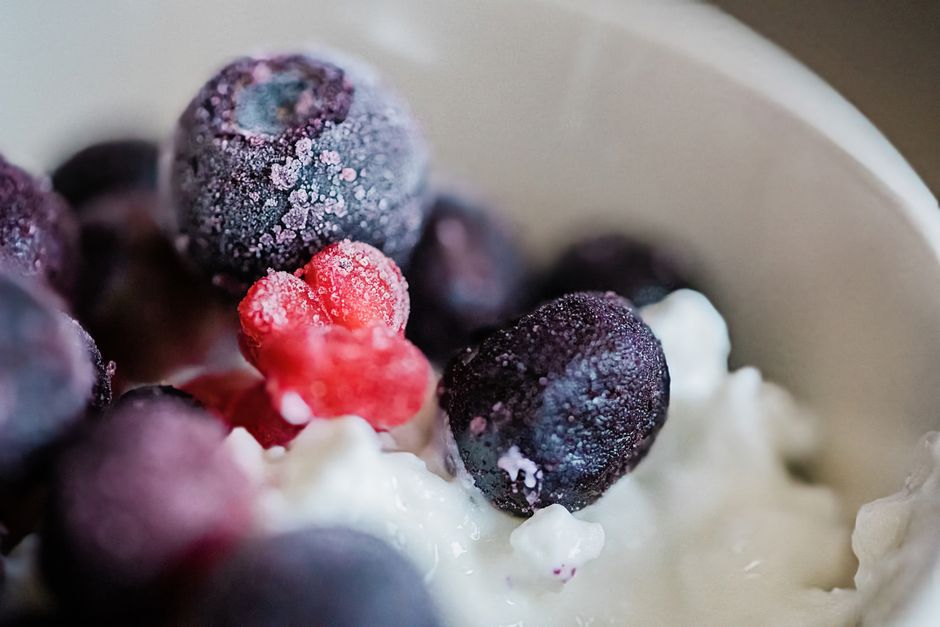
Cottage cheese uses a related but shorter process. The milk curdles quickly, the curds get cut and drained, and there's no long straining stage the way there is with Greek yogurt. That's part of why cottage cheese keeps its loose, curdy texture instead of turning smooth.
Is Greek Yogurt or Cottage Cheese Higher in Protein?
Cottage cheese and Greek yogurt land close together on protein, and the exact winner depends on the brand and fat level you're comparing. A typical cup of low-fat cottage cheese has roughly 24 to 28 grams of protein, while a cup of plain Greek yogurt runs about 20 to 23 grams. Cottage cheese usually edges ahead by a few grams per serving.
For context, plain whole-milk yogurt that hasn't been strained contains closer to 8 grams of protein per cup. That's still enough to help stabilize blood sugar and keep energy steadier through the morning, but it's a different food nutritionally than the strained, concentrated version. We compare Greek yogurt to regular yogurt in more depth, including how straining changes the protein-to-volume ratio, in our post on Greek yogurt versus regular yogurt.
Which Is Better for Losing Weight, Cottage Cheese or Yogurt?
Both can support weight management because they're high in protein and relatively low in calories, and protein helps you feel full longer. Cottage cheese tends to have a slight edge on protein per calorie, but plain Greek yogurt is close behind. The better choice usually comes down to which one you'll actually eat consistently.
Where weight loss goals get derailed isn't the base food, it's the added sugar. A flavored cup of yogurt or a sweetened cottage cheese blend can carry as much sugar as a small dessert, which quietly cancels out the protein advantage. Plain versions, with your own real fruit stirred in, keep the calorie count honest.
What to Look for on the Label
Whichever tub you reach for, the label tells you more than the front of the package does. A few minutes of reading pays off.
- Protein per serving, aiming for at least 12 to 15 grams in a snack-sized portion
- Added sugar, ideally under 10 grams, and lower for kids' portions
- Live and active cultures listed by strain, not just the word "cultured"
- Sodium content, since many cottage cheese brands run 400 to 700 milligrams per cup
- A short ingredient list without gums, starches, or artificial thickeners
- Certified organic and non-GMO seals if clean sourcing matters to your family
- Fat content, since full-fat versions often taste creamier with fewer additives added to compensate
Brands like Good Culture cottage cheese built their reputation on skipping the gums and stabilizers that thicken many mainstream tubs, which is worth noticing if ingredient transparency is a priority for your family.
Why Does Dr. Gundry Not Like Cottage Cheese?
You may have come across claims from Dr. Steven Gundry, a cardiac surgeon turned diet author, that cottage cheese belongs on a list of foods to avoid. His concern centers on lectins and A1 casein, a protein found in most conventional dairy that he argues can trigger inflammation in sensitive people. It's a minority position. Mainstream nutrition guidance from major medical institutions continues to treat fermented dairy as a beneficial part of a balanced diet for most people.
If you do have a diagnosed dairy sensitivity, or you notice bloating after eating cottage cheese, yogurt is often easier to tolerate because fermentation breaks down much of the lactose before it ever reaches your plate. We go deeper on which strains actually matter for digestion in our guide to live cultures in yogurt.
What Is the Best Yogurt for Seniors?
For older adults, the best yogurt is usually a plain or lightly sweetened variety with a soft, smooth texture, solid protein content, and live cultures to support digestion, which tends to slow down with age. Calcium and vitamin D matter more here too, since bone density naturally declines over time.
"Adults over 50 need more calcium than younger adults, and dairy foods like yogurt remain one of the most efficient ways to meet that requirement without relying on supplements."
— National Institutes of Health, Office of Dietary Supplements
Cottage cheese can work well for seniors too, though the curds' texture is sometimes harder to manage for people with swallowing difficulties, and its higher sodium content is worth watching for anyone managing blood pressure.
Is It Good to Eat Cottage Cheese and Yogurt Every Day?
Yes, for most healthy adults and children, eating cottage cheese or yogurt daily is safe and can support steady protein intake, calcium, and gut health. The main things to watch are added sugar in flavored varieties and sodium in cottage cheese, especially if you're also managing blood pressure.
Most people notice steadier energy and fewer mid-morning snack cravings within a week or two of swapping a sugary snack for a protein-forward one like yogurt or cottage cheese. Digestive changes from the live cultures in yogurt, if you notice any at all, usually show up in the first several days as your gut adjusts, then settle down. This isn't an overnight transformation. It's a habit that compounds.
Where Does Something Like Menchie's Frozen Yogurt Fit In?
It's worth drawing a clear line here. Self-serve shops like Menchie's frozen yogurt are a dessert, not a daily nutrition source, and that's perfectly fine. Frozen yogurt at a shop like that gets churned with added sugar and topped with candy, cereal, or syrup, which puts it much closer to soft-serve ice cream than to a cup of cultured dairy from your refrigerator. There's nothing wrong with frozen yogurt as an occasional treat. The confusion happens when families assume it carries the same nutrition as the yogurt or cottage cheese they'd eat for breakfast.

Everyday yogurt and cottage cheese are built for regular eating: protein, calcium, and live cultures without a dessert-level sugar load. That's the gap we designed our own products to fill, with real fruit and simple, wholesome ingredients meant for growing families and children, not a once-in-a-while indulgence.
Practical Tips for Choosing Between Yogurt and Cottage Cheese
A few habits turn this into an easy decision instead of a daily debate.
- Buy plain versions and add your own real fruit or a light drizzle of honey to control sugar
- Check the protein line first, then compare price per serving rather than per container
- Keep both in rotation, since the different textures help picky eaters stay interested
- Watch sodium in cottage cheese if anyone in the family manages blood pressure
- Look for USDA Certified Organic and Non-GMO Project Verified seals for cleaner sourcing
- Pack single-serving cups for lunchboxes so portions stay consistent for younger kids
If you're specifically packing for kids, we cover exactly how much added sugar is reasonable in our breakdown of sugar in kids' yogurt, since the "healthy" label on the front of a flavored cup can be misleading.
There isn't a universal winner between yogurt and cottage cheese, and that's actually a good thing. Your family gets two genuinely nutritious options instead of one, each suited to a different moment, a different texture preference, and a different nutritional need. We built Oikos Organic around honest nutrition, certified organic milk, and no artificial flavors, because we think the dairy aisle should make this decision easier, not harder. Grab a plain container of each, add your own real fruit, and let your family tell you which one earns the permanent spot in your fridge.