
What the Dave's Hot Chicken line is missing: a cup of organic yogurt
It's 5:45 on a Tuesday. The Dave's Hot Chicken line wraps around the building. Three hungry kids are in the back seat, and the receipt for four tenders is about to hit $38. We've all been there, watching the costs climb while wondering what's actually going into the fryer we can't see into.
There's a simpler answer sitting in the fridge at home: a cup of plain, certified organic whole-milk yogurt. This single ingredient can turn chicken just as tender as any drive-thru chain sells it, for a fraction of the cost and a much shorter ingredient list you can read out loud to your family. No mystery oil. No mystery breading. Just milk, cultures, and heat.
This post walks you through how to marinate, how long to wait by chicken cut, the right temperature to cook to, and how to finish the chicken so the crust stays crispy without a fryer. Whether you want a Chicken Salad Chick-style tender or a Church's Texas Chicken-style spiced piece, the same yogurt base does the work. Only the spice blend changes.

Why does yogurt tenderize chicken better than buttermilk?
Yogurt's lactic acid breaks down the surface proteins in chicken gradually over the course of a few hours, tenderizing the meat without turning it mushy the way a straight vinegar or lemon-juice marinade can. The tenderizing happens from the outside in, layer by layer, until you hit the exact sweet spot and stop.
Buttermilk, which many recipes call for, drains to the bottom of the bowl and leaves chunks of chicken exposed to air and drying. Yogurt's thicker body clings to every piece through the whole soak, creating a uniform coating that works evenly. It stays put.
The live active cultures inside yogurt carry another advantage that goes beyond tenderizing. Yogurt's live cultures make it easier to digest than milk, and they also bring a light tang that plays really well against a cayenne rub or a Nashville-hot style spice blend. The tang cuts through the richness and makes the chicken taste brighter.
When you salt the yogurt marinade itself, about 3/4 teaspoon per cup, you're seasoning the meat from the inside out the way a brine does, not just coating the surface. The salt dissolves into the yogurt and travels into the chicken as it sits, so every bite has flavor baked in.
"Yogurt with live active cultures can support healthy digestion by promoting beneficial gut bacteria."
How long should chicken marinate in yogurt for the best texture?
Use about 1 cup of plain organic whole-milk yogurt per 1 to 1.5 pounds of chicken. This ratio gives you enough to fully coat every piece and have a little extra for a dipping sauce later.
The marinating time depends on what cut you're using. Tenders and thin cutlets need just 30 minutes to 1 hour. Boneless thighs and breasts do better with 2 to 4 hours. Bone-in pieces like thighs or drumsticks benefit from the longer soak and can go 8 to 24 hours. Never marinate past 24 hours, though. The acid starts breaking down the muscle fiber beyond the point of tenderness, and the texture turns grainy and mealy instead of juicy.
Keep the bowl covered in the refrigerator at 40°F or below for the entire marinating time. Raw chicken must be kept refrigerated at 40°F or below and should never sit at room temperature for more than 2 hours, according to FDA food safety guidelines. This is non-negotiable, especially when you're marinating.
- Chicken tenders and thin cutlets: 30 minutes to 1 hour
- Boneless thighs or breasts: 2 to 4 hours
- Bone-in pieces (thighs, drumsticks): 8 to 24 hours
Is yogurt-marinated chicken a healthier swap for chains like Dave's Hot Chicken, Chicken Salad Chick, or Church's Texas Chicken?
A typical 3- or 4-piece fried chicken tender combo from a chain runs 700 to 900 calories, most of it coming from the breading and the fry oil. When you bake or air fry yogurt-marinated chicken at home, you use 1 to 2 teaspoons of oil total, compared to a deep fryer's submerged oil bath that gets shared across a whole menu all day long.
A half-cup of plain organic whole-milk yogurt used in the marinade contributes roughly 4 grams of protein and about 140 milligrams of calcium to the finished chicken dish. This is calcium growing kids need every day. According to the NIH, children and teens need between 1,000 and 1,300 milligrams of calcium daily depending on age. That half-cup covers about 14 percent of a child's daily target before they even eat the chicken.
Cooking at home also means you choose the exact sodium level and seasoning profile instead of accepting a chain's fixed recipe. Your family gets the flavor they want without any hidden salt or preservatives packed into the breading.
Can you get crispy, spicy chicken like Church's or Krispy Krunchy without deep frying?
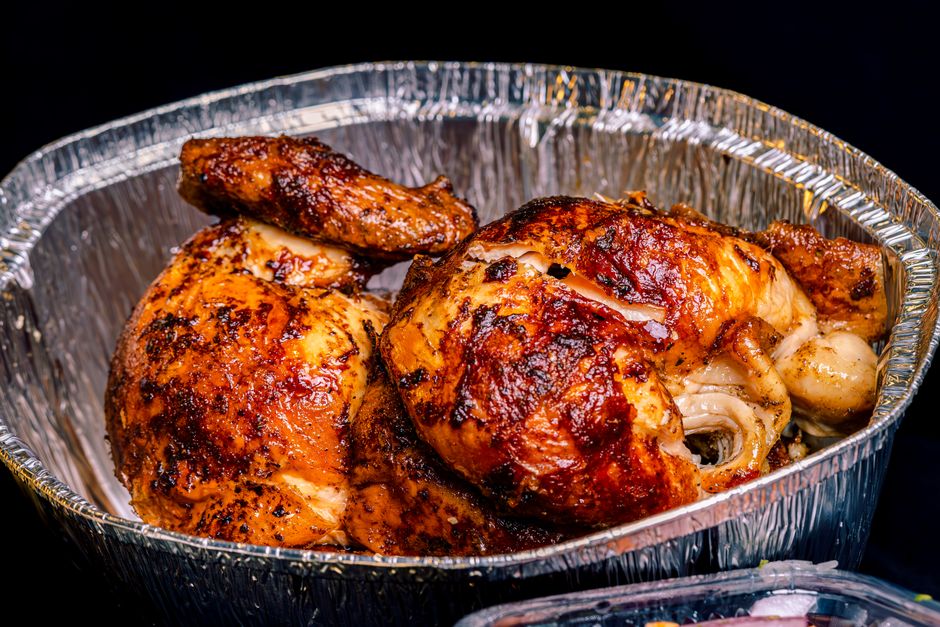
Yes. The coating step is where the crispy exterior comes from. After the chicken has marinated, pat it dry with paper towels, then press each piece into a light layer of organic breadcrumbs or crushed cornflakes before cooking. This replaces the fryer's crust with something you can control and that doesn't absorb grease.
Bake the coated chicken at 425°F on a wire rack set inside a sheet pan. The wire rack lets air move underneath the chicken the way a fryer basket does, so the bottom gets just as golden as the top. Here's the timing and steps:
- Tenders and thin cutlets: 20 to 25 minutes at 425°F
- Bone-in thighs and drumsticks: 35 to 40 minutes at 425°F
- Start checking for doneness at the low end of each range
- Always use a food thermometer to confirm the thickest part reaches 165°F before serving
For a Nashville-hot style finish, whisk cayenne pepper into 2 tablespoons of melted butter with a spoonful of the reserved marinade and brush it on the chicken right after it comes out of the oven. The heat stays bright and spicy, and the butter adds shine without adding grease.
"Raw poultry can carry salmonella or campylobacter bacteria that cause serious foodborne illness if not killed by proper cooking."

What yogurt works best for marinating chicken?
Reach for plain, unsweetened, whole-milk organic yogurt. Do not use Greek yogurt. Greek yogurt has been strained to remove most of the whey, and that whey is what gives the marinade its cling and its tenderizing power. Strained yogurt doesn't coat as evenly or work as deeply.
Skip flavored yogurts and low-fat varieties. Added sugar weakens the tenderizing effect, and a thinner texture doesn't stick to the chicken the way full-fat plain yogurt does. The fat is where the richness and mouthfeel come from, so losing it changes how the whole thing tastes and feels.
Check the label for a certified organic seal and a short ingredient list. Ideally, you're looking at just milk and live active cultures, nothing else. Fewer ingredients mean fewer variables when you're cooking for your family. Choosing the right yogurt for kids starts with knowing what's actually in the container. Certified organic dairy means no added antibiotics or growth hormones in what touches your dinner table.
Round out the plate with a homemade yogurt dip
Before the yogurt touches the raw chicken, set aside half a cup in a separate bowl so it stays food-safe for dipping. Stir in a squeeze of fresh lemon juice, a pinch of garlic powder, and chopped fresh herbs like parsley or chives for a ranch-style dip. This keeps the entire plate, from chicken to sauce, built from the same short, clean ingredient list instead of a takeout dipping cup full of mysterious gums and additives.
Make a healthier yogurt dip than store-bought ranch in about 2 minutes by hand. Your kids will taste the difference between real garlic and garlic powder, and between fresh herbs and the powdered versions chains use.
Tonight's dinner starts with a cup of yogurt in the fridge
Pull out a cup of plain organic whole-milk yogurt, a pinch of salt, and 1 to 1.5 pounds of chicken right now, before the dinner rush starts. Stir the salt into the yogurt, coat the chicken, cover the bowl, and slide it into the fridge. The marinade begins working immediately and will be ready to cook in 30 minutes for thin tenders or 2 to 4 hours for thicker cuts.
This same marinade scales from a weeknight batch of tenders to a whole cut-up chicken for a meal-prep Sunday. Use the same ratio, adjust the marinating time to match the cut, and you've got a cooking method that feeds your family night after night the way a drive-thru would, except the chicken is tender and flavorful and built from ingredients you recognize and trust. That's the real payoff.